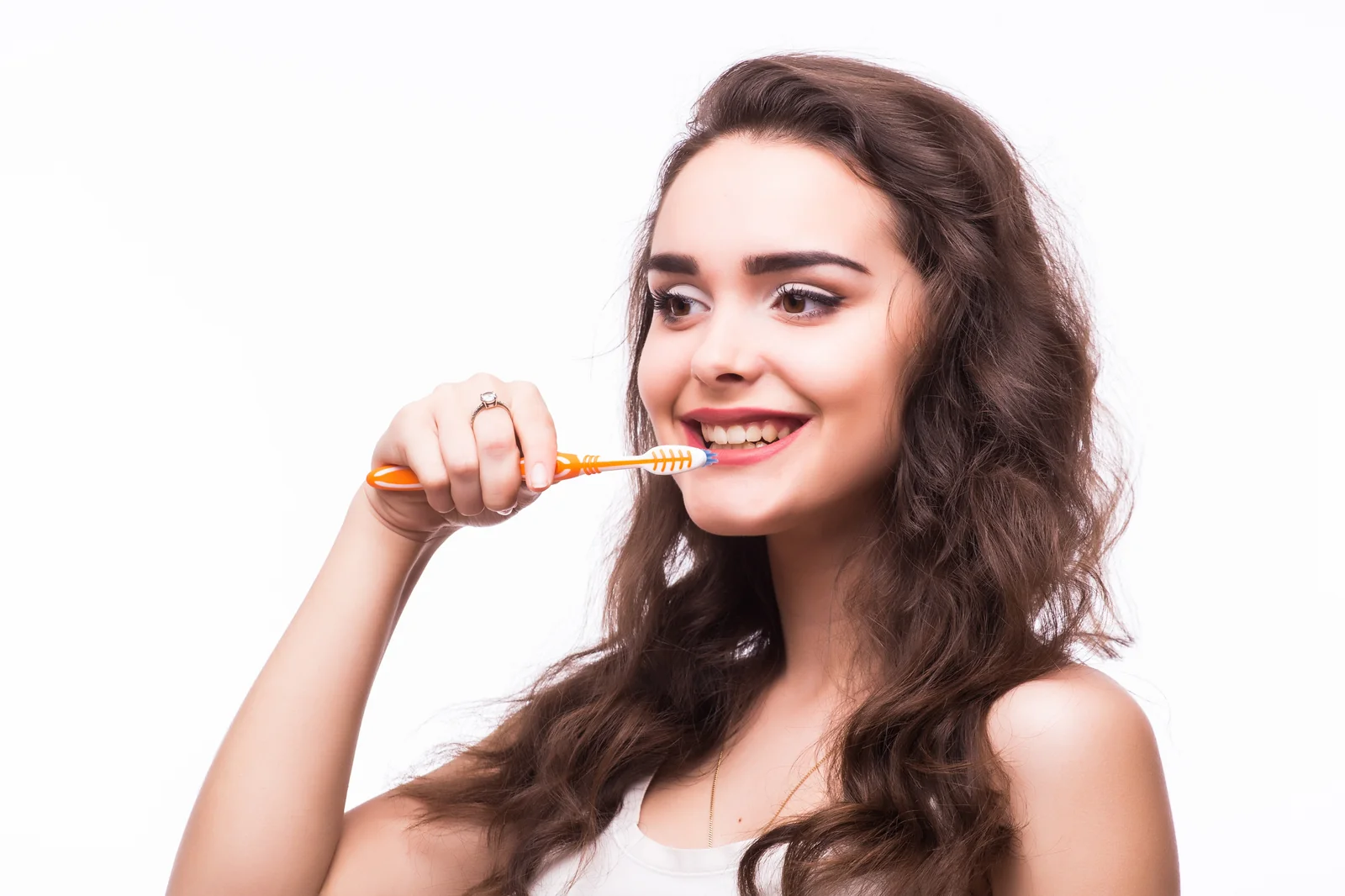
So this is probably the first question on your mind, right after "how white will my teeth actually get." And it's a fair worry. Nobody wants to deal with that sharp jolt every time they sip iced water or grab their morning coffee after spending money to look good.
Here's the honest answer: it depends. Mostly on your enamel's current condition, the strength of the bleaching gel, and whether any prep work happens beforehand. But whatever tingling you might feel afterward? Almost always temporary, and honestly, super common.
At Zadeh Dentistry, Dr. Parsa T. Zadeh and the team have this down to a science, getting that bright smile without the misery part.
Why Does Bleaching Cause That Weird Zing Feeling?
Enamel looks solid enough from the outside, but it's really not, not even close. There's a whole network of microscopic tubes underneath, running down toward the nerve in each tooth.
So during professional teeth whitening in Beverly Hills, the peroxide gel makes its way into those channels, going after stains that took years of coffee, wine, and tea to build up.
For a little while during this, those pores stay open. Nerves underneath end up briefly exposed to hot and cold, which is basically where that tingling comes from.
After a day or so, things settle on their own. Tiny bits of calcium and phosphate in saliva slowly fill the tiny openings. These elements slip inside, closing the gaps without help. No steps required.
What Makes a Beverly Hills Dentist Different Here
Drugstore whitening strips are built for some average mouth shape that, honestly, doesn't exist. So they never quite fit right, gel ends up where it shouldn't, on your gums, and that's usually how people end up with those painful chemical burns.
A dentist in Beverly Hills, CA, does things pretty differently:
● A protective barrier gets placed over your gums before any gel goes near your teeth, light-cured so it stays put.
● The gel concentration gets matched specifically to what your teeth can handle.
● Desensitizing treatments happen right after, before you even get out of the chair, so those nerve pathways are blocked early.
Is Sensitivity Always a Sign of Trouble?
Actually, it’s not. Many believe pain signals harm or harsh care during teeth whitening in Beverly Hills, yet that idea rarely holds true. Slight sensitivity? Normal. It shows the method doing its job, not harming teeth. Discomfort doesn’t mean error.
Still, a little tingle isn’t the same as actual pain. When it stings, stays too long, or feels strange without reason, tell your dentist soon after noticing. Most times, a small tweak fixes things fast, and spotting it early works much better than sticking with what feels off.
Getting Ready Before Your Appointment
If sensitivity is already something you deal with day to day, a little prep beforehand makes a real difference. A few things worth doing:
● Switch toothpaste early. Start using a potassium nitrate desensitizing toothpaste about two weeks out from your appointment.
● Get checked first. Have a dentist near you look for cavities or worn enamel. Gel getting into an open cavity is genuinely painful, and easily avoided.
● Skip extreme temps for a day. Room temperature food and drinks for the first 24 hours after treatment.
● Go gentle with brushing. A soft-bristled brush, no aggressive scrubbing while things settle.
Finding the Right Professional Teeth Whitening Near You
A good professional teeth whitening near you should mean real results without unnecessary discomfort. Most patients see five to six shades of improvement in about an hour. And because some offices have in-house labs, custom take-home trays can be made that fit your teeth precisely, keeping gel away from gums entirely.
This is really the difference between premier care and the drugstore approach. It's not about cutting corners or rushing. Long-term tooth health stays the priority, even while chasing that brighter smile.
What If My Teeth Are Already Sensitive?
None of this means whitening is off the table though. A dentist near you can just restructure the treatment, stretching it out over more, shorter sessions rather than cramming it into one. A gentler gel in a custom tray, fifteen minutes a day or so, ends up getting you to basically the same place, just slower and easier on your teeth.
And honestly, needing that kind of adjustment isn't a big deal. You mention your teeth react easily, and the plan just gets built around that.
Ready to Talk to Someone About It?
If sensitivity has been the thing keeping you from teeth whitening near you, that's fixable, not a dealbreaker. Zadeh Dentistry has been blending solid technology with care that actually feels personal since 1997.
Dr. Zadeh brings real technical chops along with an eye for results that look natural, whether that's a fast in-office session or something more gradual at home.
Call the Beverly Hills office at 310-273-2020, or book online with a dentist in Beverly Hills, CA, whenever it works for you.
Frequently Asked Questions
Q. Does professional teeth whitening always cause tooth sensitivity?
It depends. A few people feel slight discomfort for a short time once they whiten their teeth, yet many don’t feel anything different afterward. How strong your enamel is, whether you already have sensitive spots, along with the type of treatment chosen, all plays a role in what happens.
Q. How long does sensitivity last after teeth whitening?
Most times, any soreness fades within hours, sometimes it stretches into two days. Professional treatments tend to use numbing formulas during care routines so irritation stays low and healing feels easier.
Q. Can I whiten my teeth if they are already sensitive?
Yes. Patients with sensitive teeth can often still undergo whitening treatment. The dentist could suggest milder formulas instead of strong ones. Shorter treatments sometimes replace longer ones. Custom-fit trays often take the place of one-size options.
.avif)