America's Top Dentist
  • Fellow of International Academy of Oral Implantology
  • Fellow of Academy of General Dentistry
  • Certified in IV sedation and Advanced Cardiac Life Support
  • Different Options for Teeth Whitening

    May 23rd, 2013

    Smile13 180 Different Options for Teeth WhiteningThese days, a gleaming white smile is an essential part of looking your best. Fortunately, you have many options for whitening your smile. Dr. Zadeh, cosmetic dentist in Beverly Hills, can help you decide which option is right for your needs.


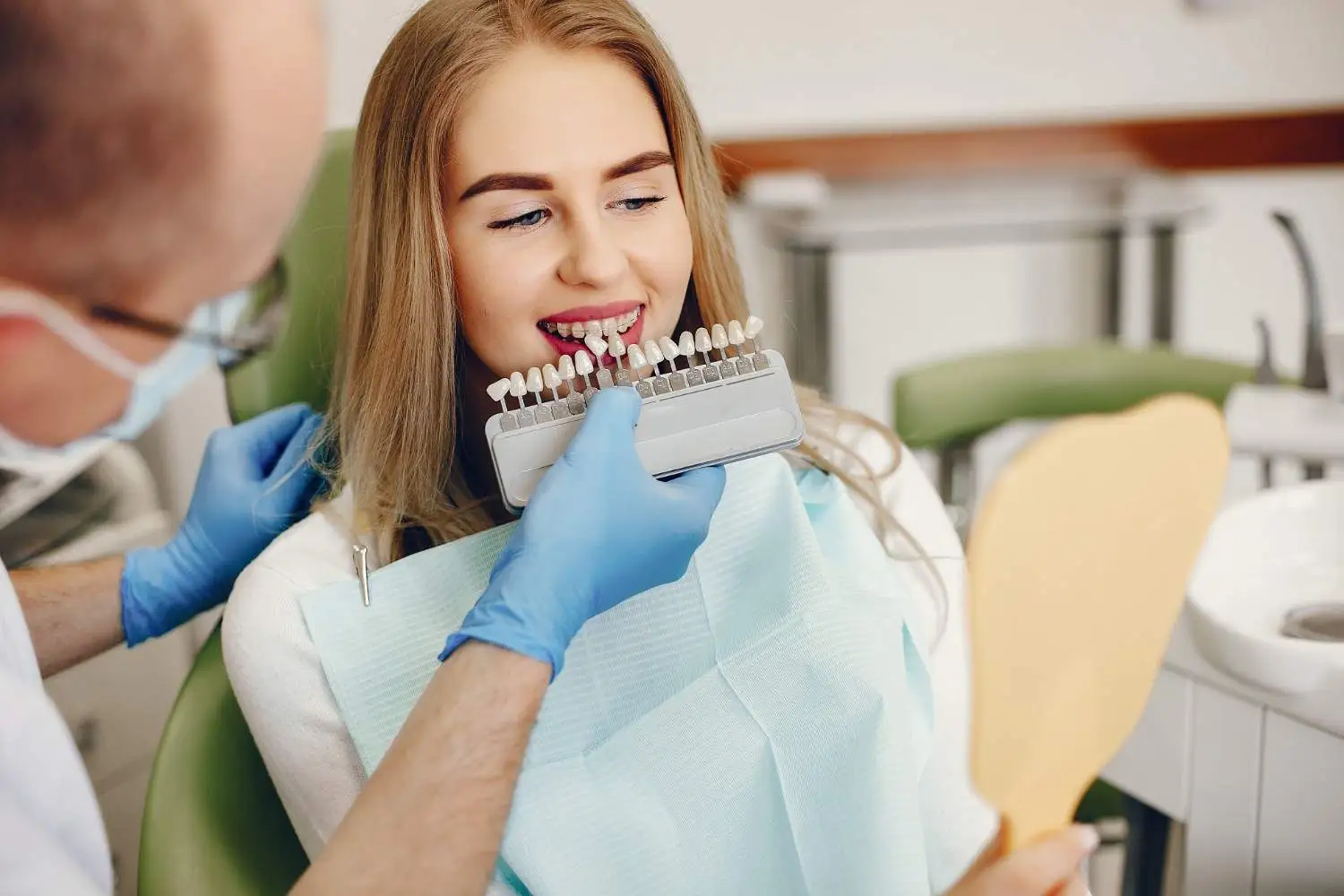
    Perhaps the most effective whitening option is an in-office whitening treatment. Most of these treatments use a potent hydrogen peroxide gel to penetrate the tooth enamel and whiten the teeth. These treatments vary in overall effectiveness, but most can whiten the teeth by as much as 5 to 8 shades.


    Another option is a take-home whitening kit, provided by Dr. Zadeh, Beverly Hills teeth whitening specialist. These kits are useful for touching up your teeth between whitening treatments. Using a take-home kit can extend the life of your in-office treatment.


    If you prefer to try an over-the-counter treatment, there are many options. Two of the most popular options are peroxide gels and whitening strips. These options take several days to two weeks to whiten the teeth, and they are not as effective as in-office treatments. However, they are good options for those who are looking to cut costs, and they will whiten the teeth noticeably over time.


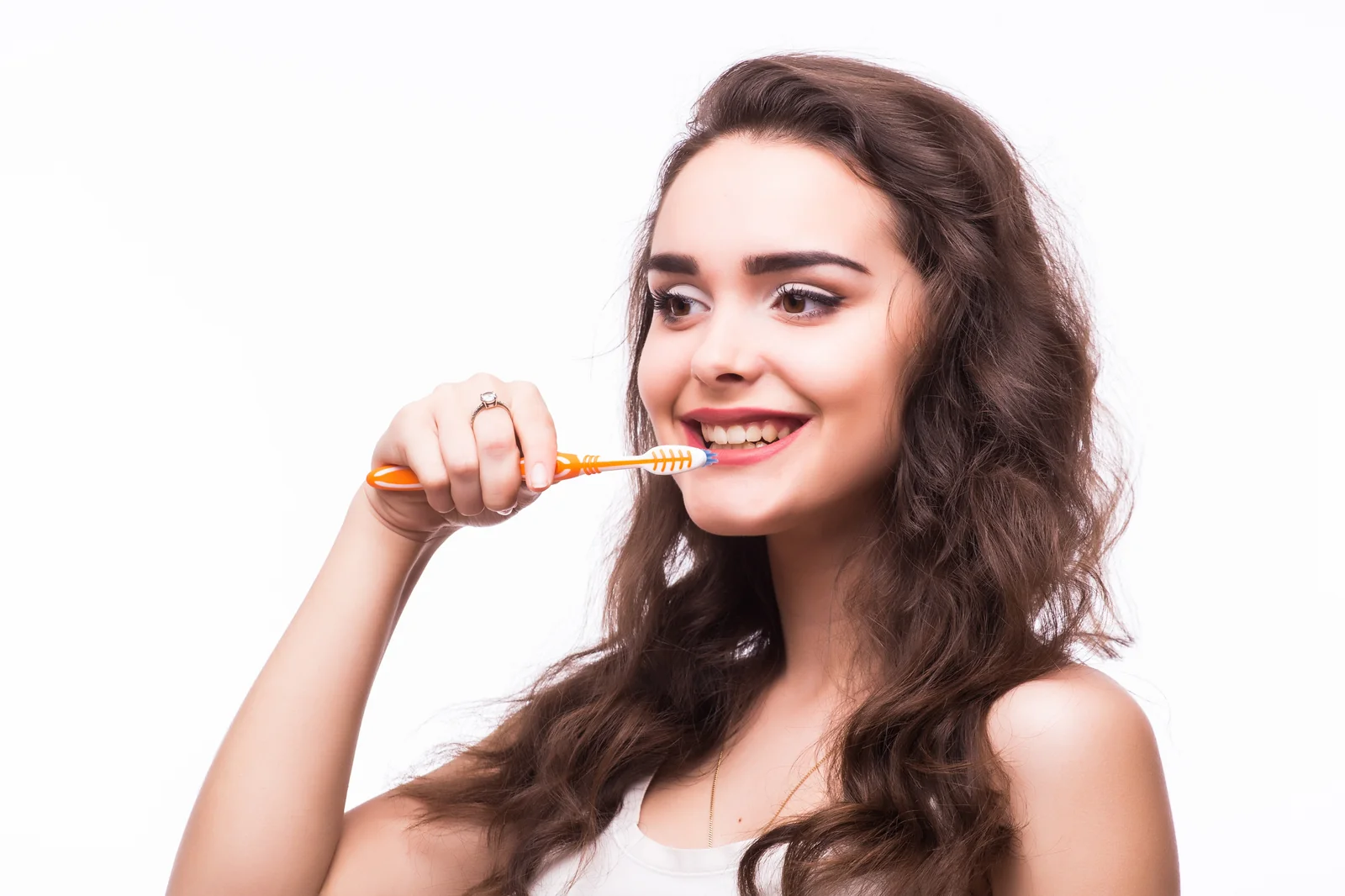
    Finally, whitening toothpastes are a good option for those who just need to whiten their teeth a few shades. These toothpastes are inexpensive and can provide noticeable results within a few weeks. However, they are abrasive and should not be used long term because they wear down the tooth enamel.

    Stress and Your Oral Health

    May 21st, 2013

    Smile3 180 Stress and Your Oral HealthPhysicians have long warned that too much stress is detrimental to your general health. However, stress can also be harmful for your oral health in a number of ways. Fortunately, Dr. Zadeh, Beverly Hills dentist, can help reduce the damaging effects of stress on your mouth.


    Stress affects your immune system in negative ways, allowing your body to become more susceptible to infections such as the bacteria that cause periodontal disease. In addition, stress has been linked to other oral health problems that may be linked to bacteria or viruses, such as canker sores and lichen planus, a condition in which the mouth has small sores and white lines. Dr. Zadeh can help relieve the symptoms of all of these conditions.


    Bruxism, or tooth grinding, is also linked with stress. Many patients grind their teeth at night when they sleep, which can wear down the teeth. In addition, tooth grinding can cause problems with the jaw such as TMD, or temporomandibular joint disorder. A night guard can help remedy this problem by protecting the teeth and jaw from the pressure exerted by the grinding.


    Finally, stress can lead to other damaging oral health conditions, such as dry mouth or burning mouth syndrome. Dry mouth is caused by the lack of saliva. Saliva is necessary to wash away bacteria and food particles, preventing tooth decay and periodontal disease. When the mouth is dry, the patient is more susceptible to these conditions. Burning mouth is a condition in which the patient feels a burning sensation in the soft tissues of the mouth. It is not known what causes this condition, but it has been linked to stress. Dr. Zadeh will work with you individually to help relieve the symptoms of these conditions.

    Tooth Sensitivity and Its Cures

    May 16th, 2013

    smile27 Tooth Sensitivity and Its CuresWhen you suffer from tooth sensitivity, drinking a cup of hot coffee or cold water can be intensely painful. Millions of Americans suffer from tooth sensitivity, and most are not aware that they can take steps to improve the condition of their teeth.


    Tooth sensitivity is caused by the wearing down of the tooth enamel or the exposure of the tooth root due to the erosion of gum tissue. When tooth enamel wears down through overzealous brushing, aging, habitually consuming highly acidic foods or beverages, or the overuse of harsh toothpastes, the tooth enamel begins to wear thin, exposing the dentin underneath. The dentin of the tooth is porous and has tiny channels that lead to the nerve. As a result, the fluid inside the channels irritates the nerve when you eat or drink, causing pain. When the erosion of gum tissue is the problem, the root of the tooth becomes exposed. The root is covered with a softer material called cementum, which is much softer than tooth enamel and wears away quickly, exposing the dentin.


    Although you cannot replace lost tooth enamel, you can take steps to reduce your sensitivity while protecting your teeth from decay. Dr. Zadeh, dentist in Beverly Hills, typically recommends a less abrasive toothpaste made for sensitive teeth. These toothpastes clean the teeth but will not wear away more tooth enamel. In addition, he can take steps to cover the tooth with a fluoride varnish to help cover the exposed area of the tooth and protect it.

    Differences between Crowns and Veneers

    May 14th, 2013

    Smile88 Differences between Crowns and VeneersPatients considering covering damaged teeth or teeth with cosmetic imperfections are often offered the choice between crowns and veneers. These two options have distinct advantages and disadvantages, and are often used for different purposes.


    Crowns are tooth-shaped caps that cover the entire tooth, down to the gum line. Crowns can be made from porcelain, metal alloys, ceramic, and even porcelain that is fused to a metal base. Although crowns can be used to cover a badly stained or misshapen tooth, they are typically employed when the tooth has a structural problem, such as when the tooth is severely worn down or has a large chip or crack in it. This is because crowns are designed to protect the structural integrity of the tooth.


    Veneers also cover the teeth, but they only cover the fronts of the teeth. Veneers are typically made from porcelain or ceramic, because these materials more closely match the look of the natural tooth. The primary purpose of veneers is to correct cosmetic problems with the smile. Veneers are typically used to cover badly stained teeth, teeth with minor spacing or alignment problems, or unusually small teeth, to name a few examples.


    If you would like to learn more about your options for covering damaged or flawed teeth, contact Dr. Parsa Zadeh, dentist in Beverly Hills. Dr. Zadeh, Beverly Hills dental crowns expert, can examine your smile and help you decide which option is best for your needs.

    Traditional Braces Compared to Invisalign

    May 9th, 2013

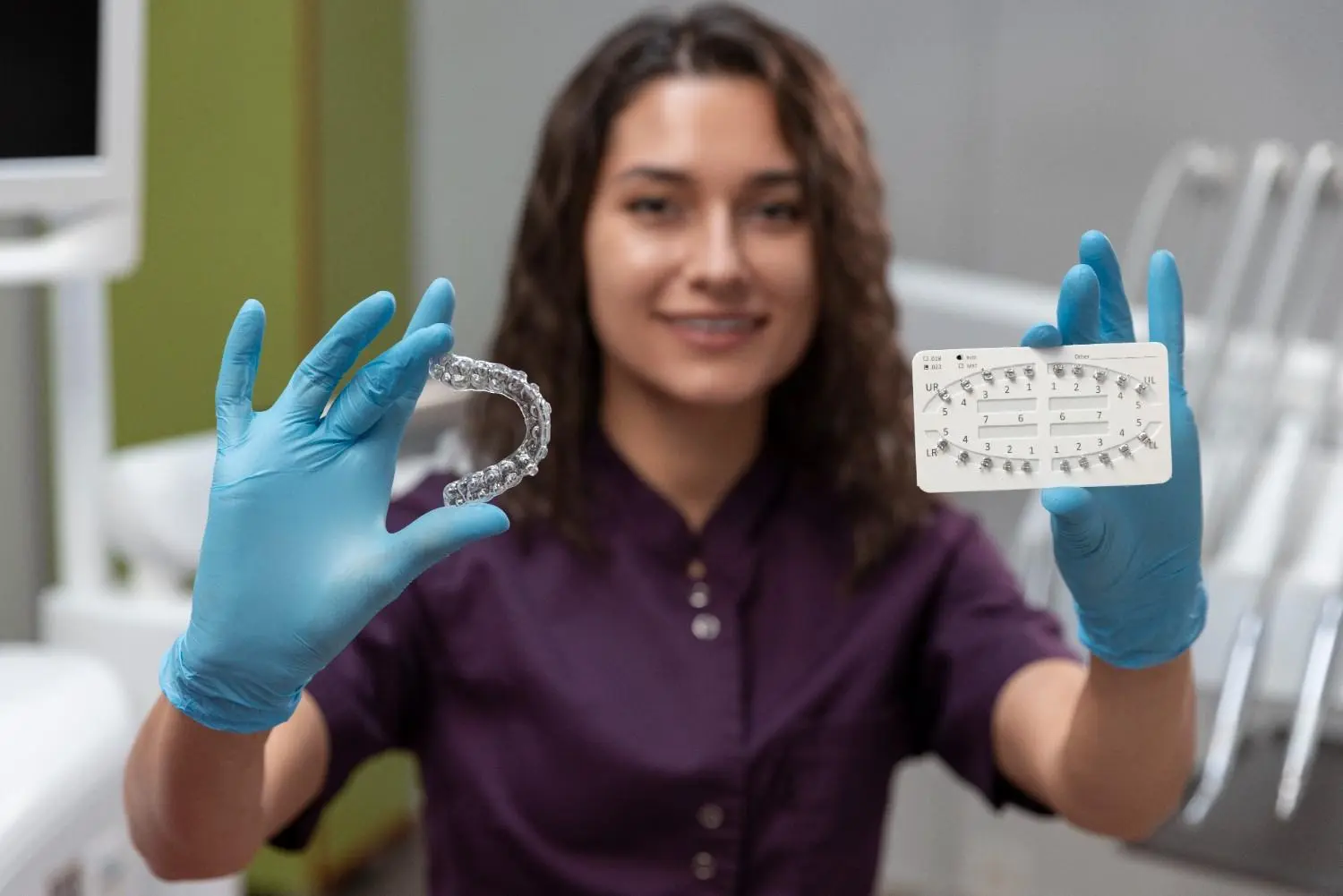
    invisalign Traditional Braces Compared to InvisalignWhen you decide to get your teeth straightened, you have many options. One of the biggest choices you will have to make is between traditional metal braces and Invisalign aligners. Although some patients have a certain type of alignment or bite problem that favors the use of one system over the other, they often can choose between the two. Knowing the key differences will help you make a decision about which treatment option is best for you.


    Traditional metal braces are better at making precise movements and are more effective for certain alignment problems, such as severely overcrowded teeth. However, metal braces lend your smile a metallic look because even if you opt for clear brackets, the metal wire is still very noticeable. In addition, oral care is much more difficult with traditional braces, and you will have to avoid certain hard or chewy foods to avoid damaging your braces.


    Invisalign aligners can be used for most alignment and bite problems. Many patients prefer these aligners because they are transparent and are virtually unnoticeable. In addition, the aligners can be removed, making oral hygiene and eating easier. However, Invisalign aligners can be lost, which may make them a bad choice for children or less responsible teens.


    If you wish to learn more about your options for straightening your teeth, contact Dr. Parsa Zadeh, dentist in Beverly Hills. Dr. Zadeh is a Beverly Hills Invisalign provider, and he has fit hundreds of patients with the Invisalign system. Dr. Zadeh will be happy to examine your smile and help you determine if Invisalign is right for you.

    Differences between Veneers and Lumineers

    May 7th, 2013

    Smile77 Differences between Veneers and LumineersDental veneers and Lumineers are two of the most commonly requested dental restorations. These restorations are popular because they can cover a number of cosmetic dental problems quickly and easily, such as badly stained teeth, irregularly shaped teeth, poorly spaced teeth, or even small teeth. However, if you are considering having veneers or Lumineers applied, it is important to understand the differences between the two restorations.


    Both dental veneers and Lumineers cover the fronts of the teeth, hiding the cosmetic dental problems and presenting the appearance of an even, white smile. However, Lumineers are much thinner than veneers. This thinness has both benefits and drawbacks.


    Many patients prefer the thinness of Lumineers because it looks more natural. Lumineers allow more light to shine through, much like natural dental enamel. However, this greater amount of transparency also presents problems for some patients. Patients who are attempting to cover badly stained teeth, for example, may find that Lumineers allows some of the dark staining to show through.


    Dental veneers and Lumineers also differ slightly in how they are applied. Veneers require that some of the dental enamel is removed from the fronts of the teeth to accommodate the width of the veneers. However, because Lumineers are thinner, the dentist may not need to remove the enamel. When the teeth are left intact, the patient can decide to have the Lumineers removed entirely later on. Patients with veneers, however, will always need to keep them.


    If you are thinking about having veneers or Lumineers applied, contact Dr. Zadeh, Beverly Hills cosmetic dentist. Dr. Zadeh is a Beverly Hills porcelain veneers specialist, and he also routinely fits patients with Lumineers.

    Important Facts about Teeth Whitening

    May 2nd, 2013

    smile32 Important Facts about Teeth WhiteningTeeth whitening has rapidly become one of the most sought-after cosmetic dental procedures. Not only is teeth whitening relatively inexpensive, but it is also highly effective. However, it is important to know all of the benefits and drawbacks of teeth whitening before you commit to having the procedure performed.


    Teeth whitening is not effective for everyone. For example, patients who have fillings or other restorations, such as dental veneers, may not be good candidates for teeth whitening. This is because dental bonding, porcelain, and other materials used for fillings and restorations do not react to the whitening agents in the same way that natural dental enamel does. As a result, if a patient with restorations wants an even white smile, he or she may need to have the restorations replaced.


    Teeth that are naturally brown or bluish in hue will not react to whitening as well as yellowed teeth. In addition, whitening is not effective for teeth that have been stained gray by the use of certain medications. Patients with these types of discolored teeth may need dental veneers or dental bonding applied to cover the stains.


    If you are considering teeth whitening, or if you are not a good candidate for teeth whitening but you would still like a whiter smile, contact Dr. Zadeh, cosmetic dentist in Beverly Hills. Dr. Zadeh is a Beverly Hills teeth whitening expert, and he can help patients with all manner of stained or discolored teeth get the radiant white smile they deserve.

    Cures for Bad Breath

    April 30th, 2013

    smile30 Cures for Bad BreathBad breath is a problem that everyone faces from time to time. Whether you ate a fragrant meal or simply forgot to brush your teeth in the morning, bad breath is likely to result. Fortunately, in most cases, bad breath is easy to fix.


    The best, and perhaps simplest, remedy for bad breath is to brush and floss your teeth. Brushing and flossing help to eliminate the food particles and bacteria that can cause bad breath. Brush your teeth first thing in the morning and in the evening to prevent the growth of bacteria, and brush and floss after eating a meal that may lead to bad breath, such as food containing garlic or onions.


    If you find that you are still experiencing bad breath despite your best efforts to brush and floss thoroughly, you may wish to try an anti-microbial mouth rinse. These rinses inhibit the growth of the bacteria that cause bad breath.


    If you prefer to try natural remedies for bad breath in addition to brushing and flossing, try chewing raw vegetables. The chlorophyll in raw vegetables is a natural cleanser, and it has the additional benefit of providing nutrition for your body. Parsley and leafy greens are particularly effective at cleaning the mouth and reducing bad breath.


    If you need other tips on reducing bad breath, Dr. Zadeh, dentist in Beverly Hills, can help. Dr. Zadeh can recommend treatments for bad breath and help remedy certain conditions that can cause bad breath, such as dry mouth.

    Dental Implants for Seniors

    July 16th, 2012

    smile31 Dental Implants for SeniorsIn this age of modern medicine and miracle cures for previously untreatable illnesses, people are living longer, healthier lives than ever before. Much of this new found longevity is due to breakthroughs in the pharmaceutical industry. Antihypertensive medications, antidepressants, and other medicines have not only extended the lives of millions of Americans, but they have also improved their quality of life. Unfortunately, over time, these same medications can wreak havoc on the teeth.


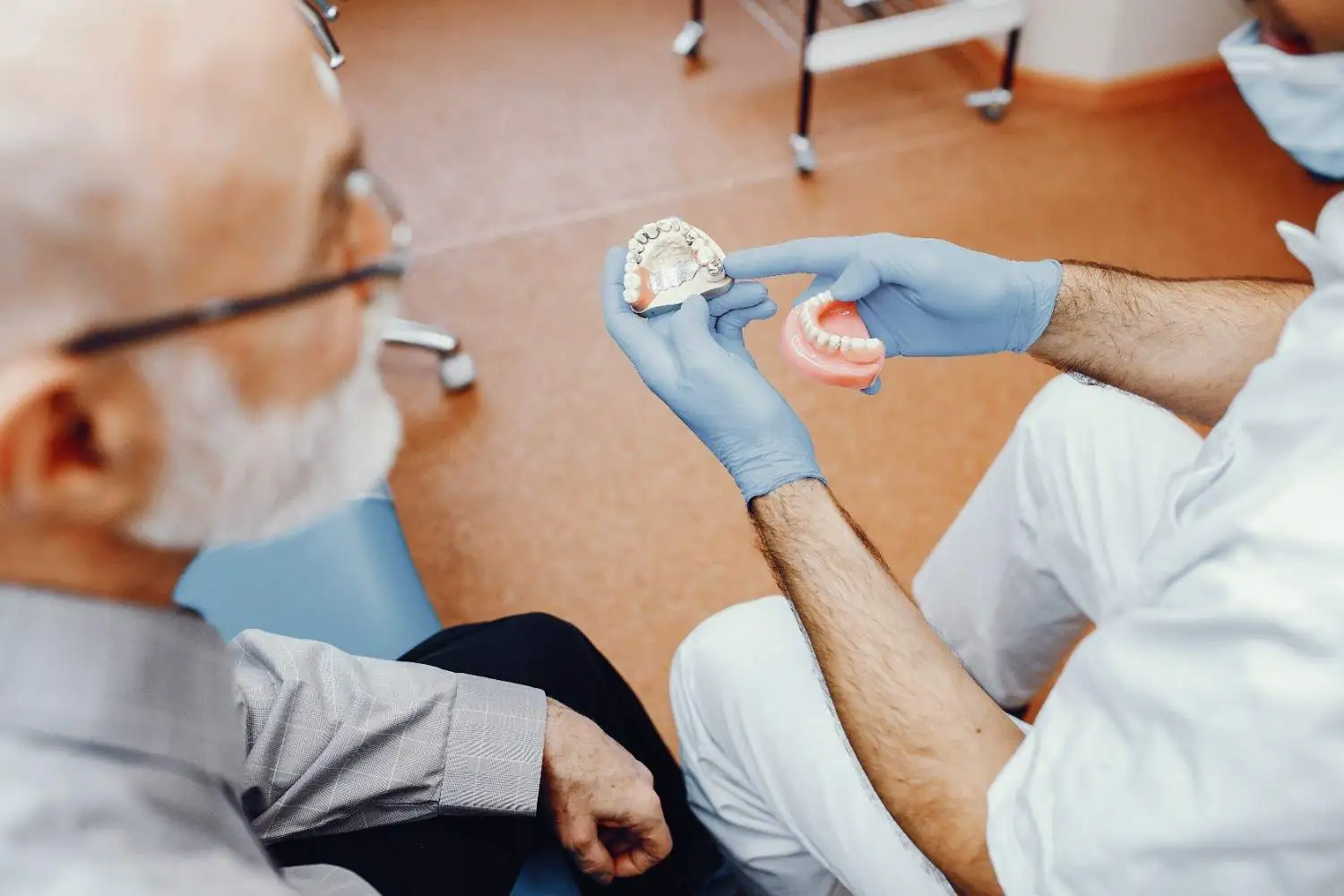
    Many seniors are experiencing cavities and dental problems due to the changes these medications make in the salivary glands. In some cases, a tooth can be so damaged that it must be removed. Many seniors settle for dentures or bridges, but there is no need to put up with uncomfortable dental appliances when you can opt for dental implants instead.


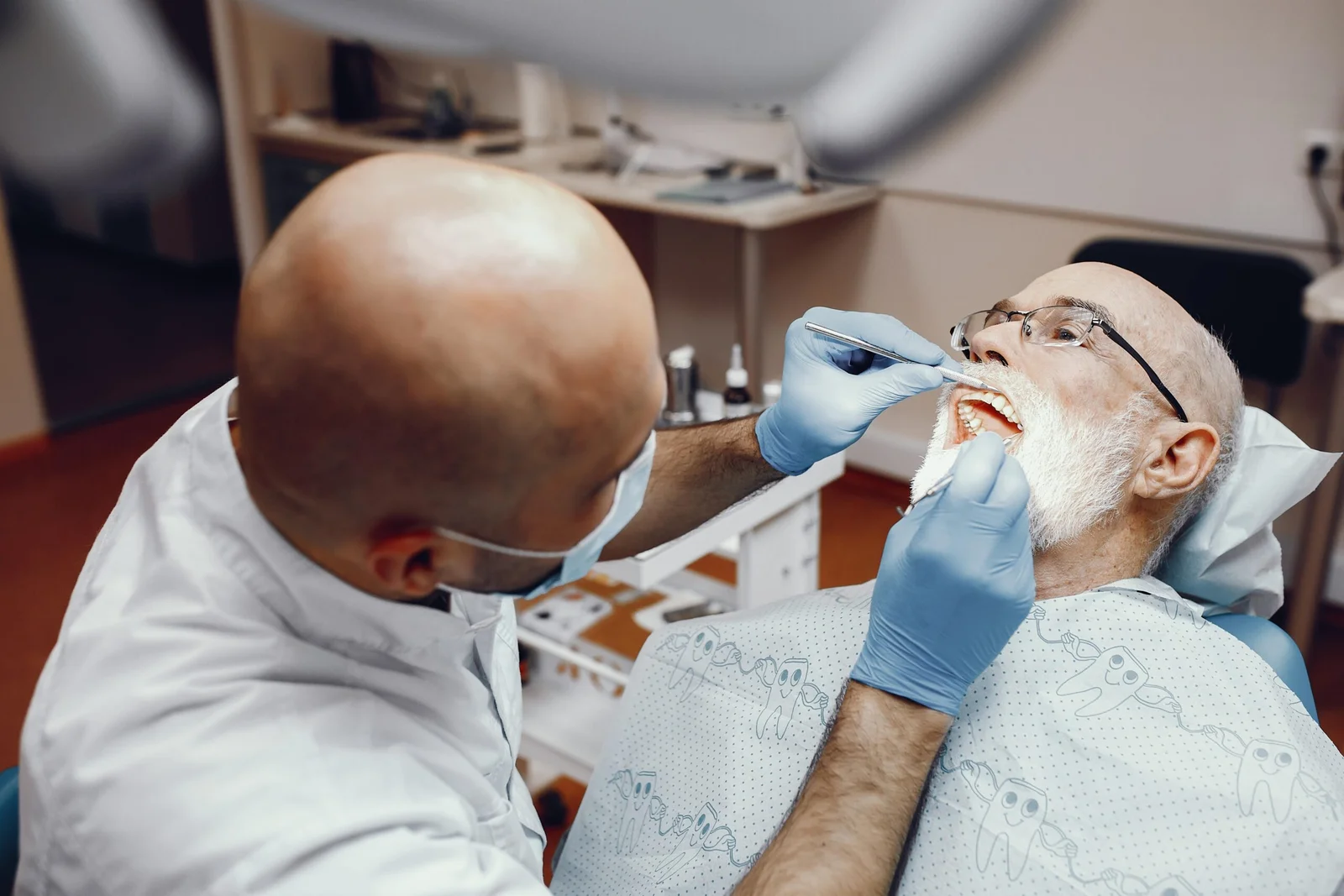
    Dental implants are artificial teeth, or crowns, that are attached to titanium posts implanted into your jaw bone. These implants have several key advantages over dentures or bridges. First, they look and feel just like your natural teeth. No one except for you and Dr. Zadeh will know that your implant is not a real tooth. Second, because the implants are placed directly in your jaw, they will not slide or change your speech. Additionally, you will be able to eat all of the foods that you enjoyed before your implant was placed. Finally, you can care for your dental implants just as you would your natural teeth. No more cleaners or chemicals.


    The process of placing dental implants will take several office visits, but the procedure is painless and the results are permanent if the implants are cared for properly. First, Dr. Zadeh will take x-rays to determine if your jaw is strong enough to hold the titanium post. During the next visit, he will anchor the post into your jaw. Finally, he will place the crown on the post.


    Because the implants look and feel natural and require little maintenance, many seniors prefer them over a dental appliance. Dr. Zadeh, Beverly Hills dentist, can help determine if dental implants are right for your needs. Call his office today at 310-273-9919 to schedule a consultation.

    Amalgam Dental Fillings

    July 11th, 2012

    Smile14 180 Amalgam Dental FillingsNo one likes to have cavities. The time spent in the dentist’s chair, and the discomforts of having the cavity drilled are serious arguments for good oral hygiene. In addition to the hassle and pain, no one wants a mouth full of silver fillings. Dr. Zadeh, a Beverly Hills dentist, does not use these silver amalgam fillings for several reasons.


    Many patients wish to avoid silver amalgam fillings because these dental fillings contain trace amounts of mercury. If you have silver amalgam fillings, there is no need to rush out and have them removed. Silver amalgam fillings are perfectly safe because the mercury is bonded to the other ingredients in the filling. Contrary to what you may have heard, the mercury does not leech out of the filling, and the only way to release it is to superheat the filling. Even though the silver amalgam fillings have been proven to be safe, Dr. Zadeh does not use them because he believes that the other materials available are superior, both in appearance and functionality.


    Silver amalgam dental fillings are durable and inexpensive, but that is where their advantages end. The silver color of the fillings is unattractive, particularly if the fillings are on the front teeth or teeth that show when you talk or laugh. Further, many people associate silver fillings with cheap dental work. As a result, Dr. Zadeh prefers to use cast gold fillings, porcelain fillings, or composite resin fillings. The cast gold fillings are even more durable than the silver amalgam fillings, and they look expensive. Porcelain and composite resin fillings blend with the color of your teeth, so no one will know you have a filling.


    In addition to the unattractive silver color, silver amalgam dental fillings require a larger area of the tooth to be drilled out than some other types of fillings, which can weaken the structure of the tooth. Amalgam fillings are also prone to expanding and contracting with heat and cold, which can cause them to crack the tooth over time. Finally, amalgam fillings can cause an allergic reaction in a small percentage of patients.


    If you need a cavity filled or a tooth repaired, ask Dr. Zadeh about your options for dental fillings. The filling that Dr. Zadeh will recommend depends of the location of the cavity, the size of the cavity, and other factors such as whether you have the tendency to grind your teeth.


    Ask Dr. Zadeh

    Complete the following form to receive more information from the Beverly Hills Cosmetic Dentistry.

    Name:*
    Phone:*
    Email:*
    Comment:

    Beverly Hills Cosmetic Dentist | Dr. Zadeh | Services | Gallery | Testimonials | Contact | Site Map | Articles | In the Media | Disclaimer

    Switch to our mobile site