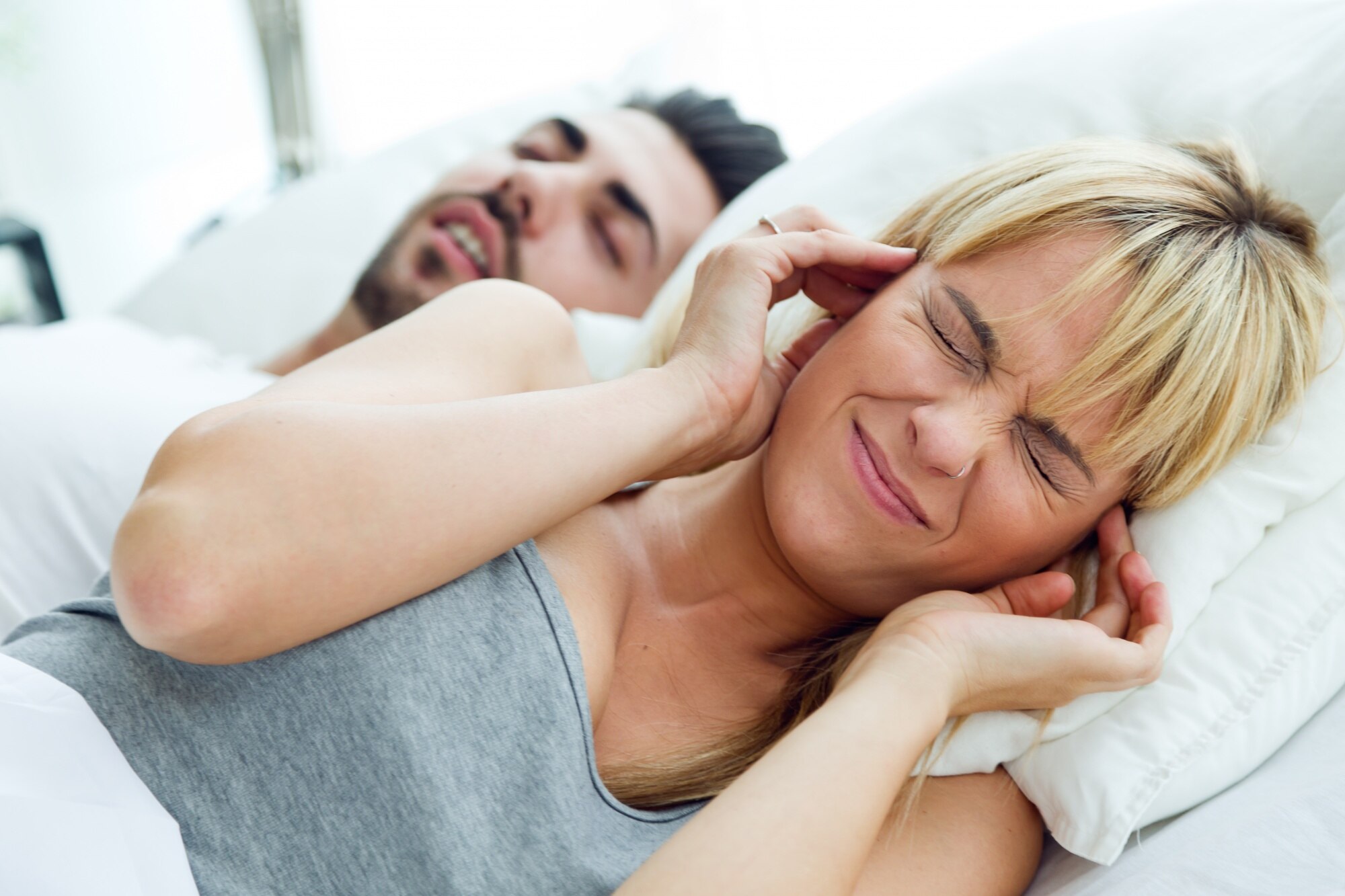
We get this question a lot, honestly probably more than any other one. Someone calls our dentist in Beverly Hills, sometimes half asleep themselves, saying they're exhausted every single morning, and their partner is done with the snoring. And look, if that's you, there's a decent chance what you're dealing with is Obstructive Sleep Apnea. Most people have heard of CPAP machines by now. Fewer people know there's another way. A quieter way. If you've been putting off finding real sleep apnea treatment in Beverly Hills because the whole mask-and-hose thing sounds miserable, we get it, and we want to walk you through the other option.
Why Your Airway Collapses While You Sleep
So what's actually going on while you're asleep? Here is the explanation. The muscles of your throat relax during the night. There is nothing wrong about it since this is a natural process for muscles, however, relaxation makes the tongue and soft palate move into the throat. Air must enter somehow and so it forces its way through a narrow channel and causes tissue vibration, which becomes the source of snoring that disturbs your partner all night long. And when the passage shuts completely, your brain panics a little and yanks you awake just enough to grab a breath. Most people never even remember it happening. But all that constant jolting steals oxygen from your body and never lets you sink into the deep sleep you actually need. Over time, it strains your heart, wears down your energy, and just leaves you tired in a way that coffee can't fix.
This is exactly why looking into sleep apnea treatment near you matters, not someday, but now, before it starts chipping away at things you can't easily get back.
How Custom Mandibular Advancement Devices Open Your Airway
Now here's where the oral appliance comes in. Think of it kind of like a nightguard, except this one isn't just sitting there protecting your teeth, its real job is nudging your lower jaw forward a bit. There are two trays, one for the top teeth and one for the bottom, and they click into place right before bed.
So what does it actually do once you've got it in?
- It nudges your jaw forward just enough that your tongue can't fall back into your throat.
- It tightens up the tissue around your airway so it stops flapping and buzzing when you breathe.
- It stops your jaw from dropping open in the middle of the night, which is usually when everything collapses anyway.
The Difference Between Oral Appliances and CPAP Machines
Both CPAP therapy and oral devices aim at the same goal, however, follow completely different paths. With a CPAP , you've got pressurized air being pushed through a mask, basically forcing your airway to stay open by brute force. It works, no argument there. But plenty of people can't stand the straps digging into their face, the noise, the dry air blasting all night long. A custom appliance from an experienced dentist in Beverly Hills skips basically all of it. No hoses, no pump, nothing plugged into the wall. It's small enough to toss in a travel bag, which matters more than people expect until they actually try traveling with a CPAP machine once.
What to Expect When Getting Fitted at Zadeh Dentistry
Getting fitted starts with an actual conversation for sleep apnea treatment in Beverly Hills, not just a quick scan and a goodbye. At Zadeh Dentistry, Dr. Parsa T. Zadeh sits down, looks at your airway, takes precise 3D digital scans, and builds something around your mouth specifically, not a generic mold pulled off a shelf. He's known internationally for the Implanova Dental System he developed, but honestly, his background in jaw alignment is what makes him so good at the airway side of things too. And if your bite's even a little off, the appliance isn't going to sit the way it should or do its job properly. Once your device comes back from the lab, you'll head back in so we can look at the fit and make whatever tweaks it needs. Small adjustments here and there until your jaw lands in that sweet spot, forward enough to keep your airway open, relaxed enough that you're not sore when you wake up.
Please, don't assume finding sleep apnea treatment near you has to be some drawn-out ordeal. It really doesn't, not when the right team handles it start to finish.
Who Is a Great Candidate for Oral Appliance Therapy?
Adults with mild to moderate apnea mostly, though some severe cases who just can't tolerate CPAP do great with it too. Frequent travelers love it. And if you've got missing teeth or bite issues layered on top of the sleep piece, Dr. Zadeh looks at the whole picture, not just one symptom in isolation. Whether that means an appliance alone or pairing it with his Implanova implant work, the plan gets built around you. A dentist near you who actually connects those dots is honestly harder to find than you'd think, and most people don't realize how much it matters until they experience it.
Take the Next Step Toward Restful Sleep Today
You don't have to keep living exhausted, anyhow, not when there's an actual alternative sitting right here. Any honest dentist near you should be steering you toward options, not just one machine. Please reach out to Zadeh Dentistry, and please, let's get you back to sleeping like a person again.
Frequently Asked Questions
How does a dental sleep apnea appliance work?
A dental sleep apnea appliance gently moves the lower jaw forward during sleep, helping keep the tongue and surrounding tissues from blocking the airway. This can reduce airway collapse, snoring, and breathing interruptions.
Who can benefit from an oral appliance for sleep apnea?
Oral appliance therapy is commonly considered for adults with mild to moderate obstructive sleep apnea. It may also be an option for some people who cannot tolerate CPAP therapy comfortably.
Is a dental sleep apnea appliance more comfortable than CPAP?
Many patients find oral appliances convenient because they are compact, quiet, and do not require a mask, hose, or machine. However, suitability and comfort vary, so professional evaluation is important.
.avif)