Our Blog Posts

Gummy Smile Before and After: What to Expect From Gummy Smile Correction

Explore gummy smile correction in Beverly Hills at Zadeh Dentistry. Discover personalized treatment options to balance your gum line and enhance your smile.

November 1, 2026

Can TMJ/TMD Cause Headaches? Understanding Jaw Pain and Headache

Learn how TMJ/TMD can trigger headaches, recognize common jaw disorder symptoms, and explore treatment options at Zadeh Dentistry in Beverly Hills, CA.

October 26, 2026

What Does Sedation Dentistry Feel Like? A Patient’s Guide to the Dental Sedation Experience

Experience comfortable sedation dentistry in Beverly Hills at Zadeh Dentistry. Ease dental anxiety with personalized sedation options and compassionate care.

October 21, 2026

How Does a Dental Sleep Apnea Appliance Work?

We get this question a lot, honestly probably more than any other one. Someone calls our dentist in Beverly Hills, sometimes half asleep themselves, saying they're exhausted every single morning, and their partner is done with the snoring.

September 28, 2026

How to Keep Dental Bonding From Staining or Discoloring?

Learn how to prevent dental bonding from discoloring with simple daily habits, proper cleaning, and professional care from Zadeh Dentistry in Beverly Hills.

September 24, 2026

Dental Implants for Seniors: What to Know Before Treatment

Discover full dental implants in Beverly Hills, CA for seniors, including treatment options, benefits, costs, and how Implanova® can restore your smile.

September 17, 2026

Latest posts…

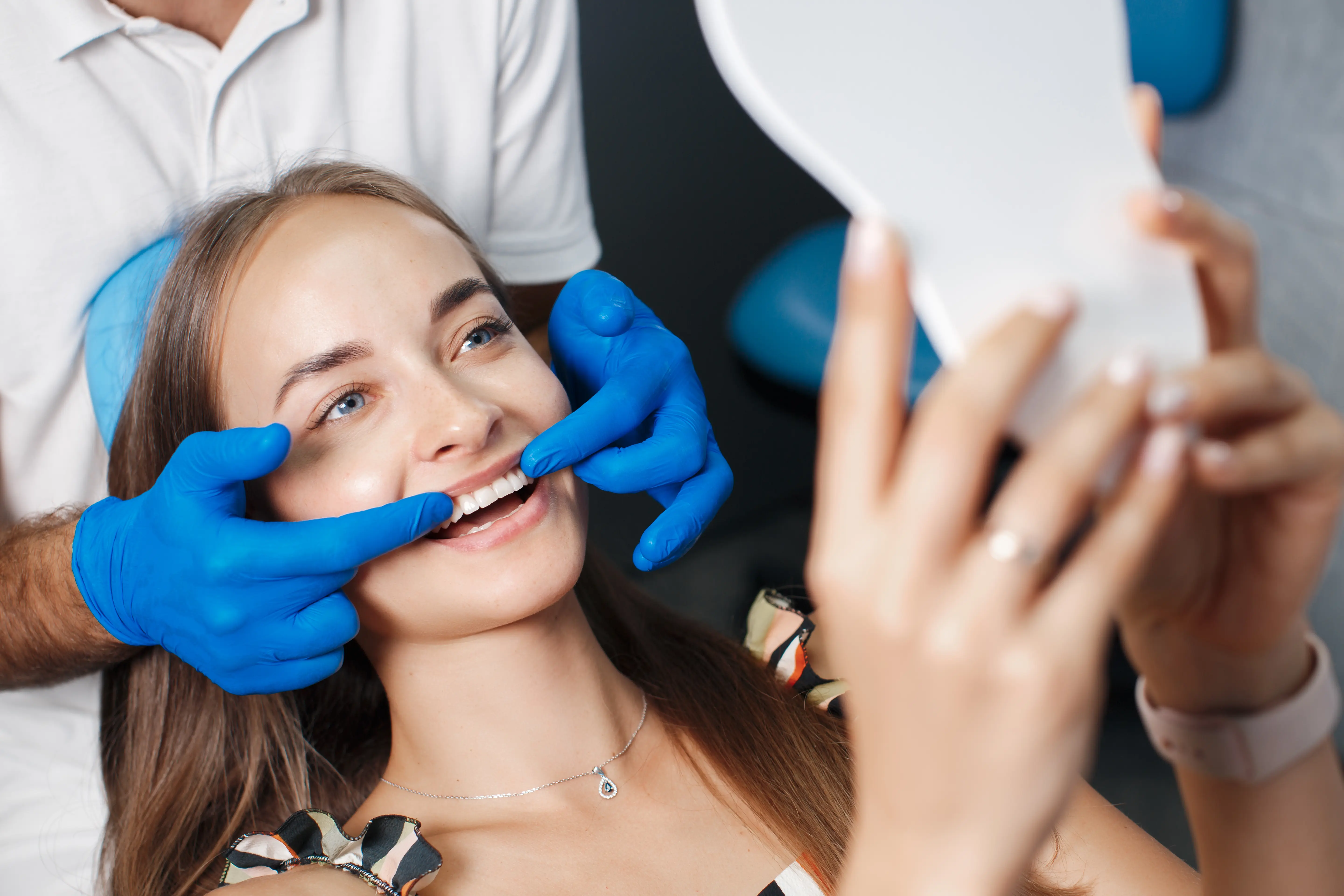
Gummy Smile Before and After: What to Expect From Gummy Smile Correction

Okay, quick version. A gummy smile just means a lot of pink shows when you smile. Fixing it is about balance. Sometimes we reshape the gum. Sometimes it’s the lip, or the bite hiding underneath. Some results are dramatic, plenty are subtle, and which one you get depends on your mouth, not on some template.

We’re the team at Zadeh Dentistry. And there’s a line we hear more than any other: “I like my teeth, I just hate how I look when I smile.” If that’s you, and you’ve been reading up on a gummy smile in Beverly Hills late at night (we know, we know), stay with us. We’ll tell you what actually happens. No fluff. 

Why Does a Smile Look Gummy?

Usually it’s 3 millimeters or more of gum above the top teeth. That’s it. Not a flaw, and not something you caused. Just how you’re built.

Why it happens varies. Sometimes the teeth never fully poked out of the gum, so there’s still tissue sitting over more of each tooth than there should be. Your upper lip might ride high. Or the upper jaw grew a little long. Or the teeth are short to begin with.

We’re a dentist in Beverly Hills who sees all of these every week, and the cause picks the fix. So we don’t guess. First, we take digital X-rays and 3D images. Then we sit down with you and say what we found, no jargon, just plain talk. 

Gummy Smile Before and After: What Changes

Before, teeth tended to look short and boxy. Kind of squeezed, with gum filling the frame. Lots of patients tell us they’ve gotten good at covering their mouth for photos.

Afterwards, teeth look longer. They fit the face better. The gum line runs even across, and the lip stops straining. Nobody looks at you and thinks “work done.” They just think you look good, maybe a bit more relaxed.

Patients who came in about a gummy smile in Beverly Hills often say the best part isn’t the teeth at all. It’s forgetting about their mouth when somebody pulls out a phone. We love hearing that one. 

Treatment Options for Gummy Smile Correction in Beverly Hills

Not every gummy smile needs surgery. And a quick trim won’t fix every one either. Here’s what we might talk through with you.

● Gum contouring. A laser or fine tool removes extra tissue and shapes a clean edge. Often one visit.

●  Crown lengthening. For teeth buried in gum. We reshape tissue, and sometimes a bit of bone.

● Muscle-relaxing injections. They ease the muscle that pulls your lip up. They wear off in a few months, so it’s a low-stakes test drive.

● Lip repositioning. A small surgery that limits how far the lip can lift.

● Orthodontics or jaw surgery. If the bite or jaw is the cause, fixing gums alone won’t hold.

● Veneers. Once the gum line is set, these can lengthen short teeth.

Lots of people mix two of these. We plan the order so each step helps the next. A good dentist near you will do that too. 

Picking Who Treats You

Search for a gummy smile correction near you, and you’ll get a wall of results. Picking one is the hard bit.

Look for a dentist near you who won’t rush you into anything at the first visit. They should check your bite, measure the gum showing, ask what bothers you, and say why one option beats another. If you feel pushed, leave. Really. 

What to Expect During Gummy Smile Correction Recovery

Expect a few sore days after contouring. Gentle brushing helps, and so does a salt-water rinse. Go easy on anything hot, spicy, or crunchy for a little while (yes, tacos too, sorry).

Gums mostly settle in a week or two. The shape can keep shifting for a good while after that, though. Surgery takes longer. We give you written instructions, so you’re never guessing at home.

Everyone heals on their own clock. Something feels off? Give us a call. Proper gummy smile correction means somebody checks in on you afterward, not a quick handshake at the door and goodbye.

Experienced Beverly Hills Dentist With Advanced Dental Technology

Dr. Parsa Zadeh has over 30 years behind him. We went paperless in 1997 and added 3D imaging in 2005. Today we’ve got 3D printing and scanning in-house, plus an engineer and a lab tech, so your work doesn’t get shipped off and sit. People hunting for a dentist in Beverly Hills tell us that matters a lot.

Dr. Zadeh also invented the Implanova® Dental System. So if you’re missing a tooth on top of the gum issue, we can plan implants and gum work together. 

Ready to See What’s Possible?

Tired of hiding your smile? Come in for a consultation. We’ll show you what a plan for a gummy smile in Beverly Hills might look like. No pressure, no jargon.

Our dentist in the Beverly Hills team would love to meet you. Book on our website. Whether you want gummy smile correction near you or just an honest second opinion, a dentist near you should listen first. We do.

Frequently Asked Questions

What results can you expect from gummy smile correction?

Results vary according to the underlying cause, type of treatment used, facial structure, and individual healing ability. Gummy smile correction makes teeth appear longer and creates an even gum line.

How long does recovery take after gummy smile correction?

Recovery depends on the procedure performed. Gum contouring often involves a few days of soreness, with gums settling over one to two weeks. Surgical treatments may require longer healing and follow-up appointments.

How do you choose the right treatment for a gummy smile?

Your dentist evaluates gum tissue, tooth proportions, upper lip movement, bite alignment, and jaw structure. This assessment helps determine whether gum contouring, injections, orthodontics, or surgery is most appropriate for your needs.

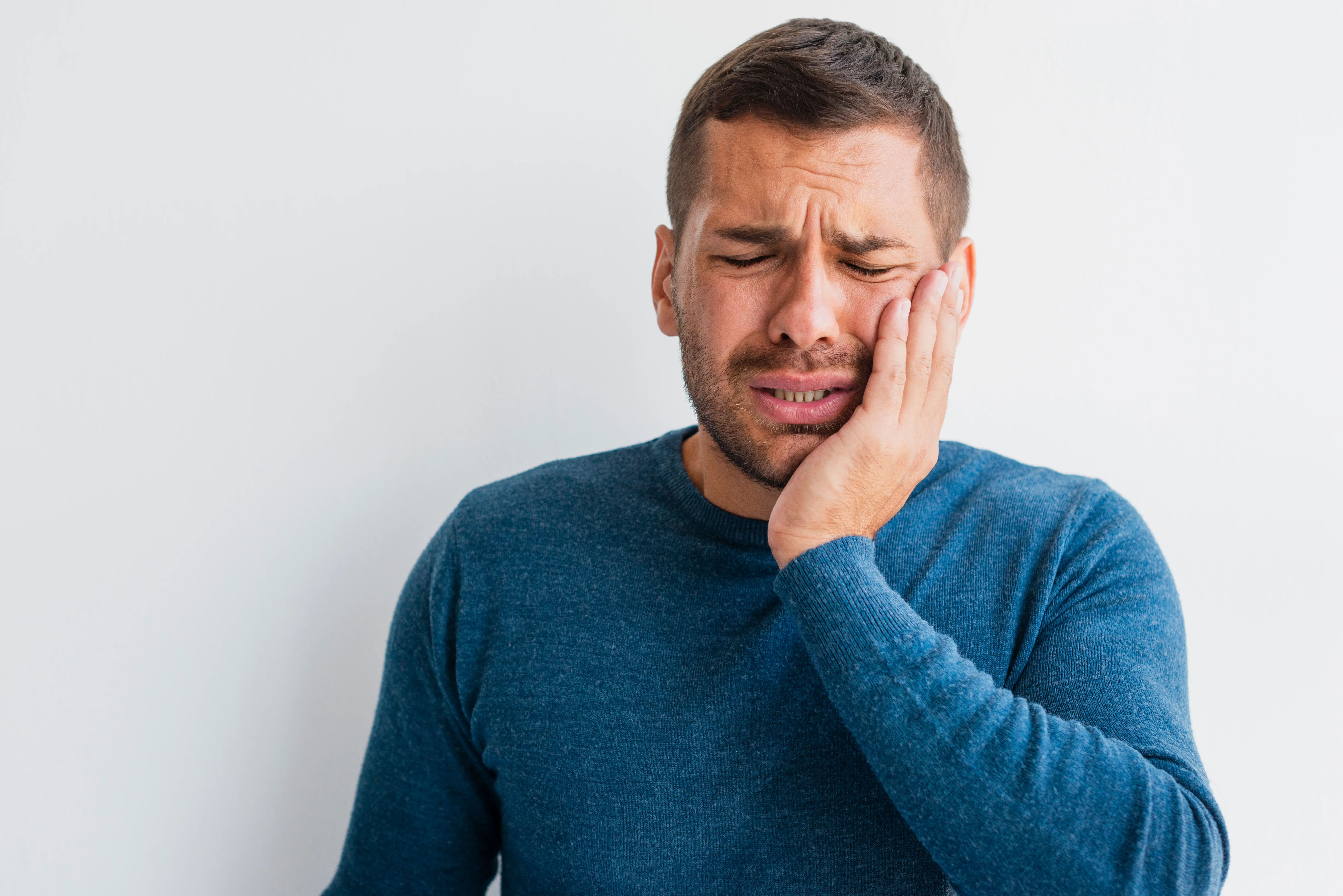
Can TMJ/TMD Cause Headaches? Understanding Jaw Pain and Headache

Yes, TMJ/TMD can cause headaches, and it’s one of the most overlooked reasons people reach for pain relievers every week. Your jaw joint sits right in front of your ear, wrapped in muscles. When that joint or those muscles get irritated, the pain doesn’t stay put. It travels to your temples, your forehead, even behind your eyes.

Let’s look at how that happens, and what we can do about it. 

What TMJ/TMD in Beverly Hills Actually Feels Like

TMJ is the joint itself. TMD is the name for the problems that show up when it’s unhappy. People mix the two terms up all the time, and honestly, that’s fine.

Plenty of patients with TMJ/TMD in Beverly Hills tell us they had no idea their jaw was the problem. They figured it was stress, or screens, or a bad pillow. Here’s what we hear most:

● A dull ache near the ear that comes and goes.

● Clicking or popping when you open wide.

● Headaches that begin at the temples and then park themselves there all afternoon.

● Chewing that suddenly feels like a chore, or a jaw that’s tired out before lunch is over.

Maybe you have one of these. Maybe you have all four. 

Why Jaw Trouble Turns Into Headaches

The chewing muscles  are among the strongest you’ve got, and they run up toward your temples and the sides of your head. So if you clench or grind for hours, they tighten and just won’t let go. What you get can feel exactly like a tension headache. Sometimes like a migraine.

That’s the confusing part. It looks like a regular headache. It acts like one too.

Stress plays a big role. So does a bite that doesn’t quite line up, an old injury, or missing teeth that have let everything else drift. Your jaw is always compensating for something. 

Clues Your Headaches Might Be Coming From Your Jaw

Not every headache is a jaw headache, of course. But a few patterns make us look closer. Do you wake up with soreness? Does chewing gum make things worse? Does your jaw lock, even briefly?

Worn, flat edges on your teeth are another giveaway, since they often point to grinding. We see this in people who swear they’ve never clenched a day in their lives.

If any of this sounds familiar, tell a dentist near you before you add another bottle of ibuprofen to the cabinet. It’s a quick conversation, and it can save you months of guessing. 

How a Dentist in Beverly Hills, CA Looks for the Cause

At Zadeh Dentistry, we start by listening. Then we look. We check how your jaw moves, feel the muscles around it, and watch how your teeth come together. Digital X-rays and 3D imaging let us see the joint itself, so we’re not working from a hunch.

A dentist in Beverly Hills, CA has a lot of tools to draw on, and we’re lucky to have more than most. We’ve had 3D imaging since 2005. We scan and 3D print in house, and we have our own engineer and lab technician down the hall. That means a custom appliance can be designed and made for your mouth specifically, not ordered from a catalog and hoped for the best.

Dr. Parsa Zadeh has spent more than 30 years in implant and restorative dentistry, and he’s the inventor of the Implanova® Dental System. Why does that matter for your jaw? Because a bite is a whole system, and someone who understands how teeth, bone, and implants work together will notice things that get missed elsewhere. 

Finding TMJ/TMD Treatment Near You That Actually Helps

Most jaw problems don’t need anything dramatic. We like to begin with the gentlest options.

● A custom night guard, which gives your teeth something else to push against so the joint can rest while you sleep.

●  A few small habit changes. Catch yourself clenching during the day, drop the gum, and go easy on tough, chewy food for a bit.

●  Warm compresses and gentle jaw stretches we’ll show you.

●  Bite adjustments or restorative work when the real culprit is how your teeth meet.

And sometimes it’s a missing tooth. When a gap goes unfilled, neighboring teeth lean in and your bite shifts, which puts strain on the joint. If an implant is the right fit, Dr. Zadeh’s Implanova® system is something we know inside and out, and you can read more about the brand at denvolution.com.

The goal with TMJ/TMD treatment near you isn’t just quieter pain. It’s figuring out why the pain started so it doesn’t come back.

If you’re searching for TMJ/TMD treatment near you, ask any provider how they plan to find the cause, not just cover the symptom. That one question will tell you a lot. 

When to Stop Waiting and Get It Checked

Jaw pain rarely goes down by itself for long. It tends to creep. A little ache turns into a weekly headache, and then you’re planning your days around it.

Call us if your jaw locks, if you can’t open fully, if the pain wakes you at night, or if headaches keep returning without a clear reason. Don’t wait for it to get unbearable. We’d much rather see you early.

Our office is easy to get to from West Los Angeles, the Sunset Strip, Norma Triangle, and Hollywood, and we offer validated valet parking, so you can just show up and hand over your keys.

If you’re dealing with TMJ/TMD in Beverly Hills, you don’t have to put up with it. Whether you’re looking for a dentist in Beverly Hills, CA you can trust, or simply a dentist near you who’ll take your headaches seriously, Zadeh Dentistry is ready when you are. Book a visit, tell us where it hurts, and we’ll take it from there.

Frequently Asked Questions

Does TMJ/TMD cause headaches and migraines?

Yes. Temporomandibular joint disorders cause headaches through irritation of jaw muscles and joints. Headaches usually occur in the area of the temples and forehead and get aggravated by chewing, clenching, or grinding teeth.

How do you know if your headache is due to TMJ/TMD?

Tenderness, clicking, stiffness of the jaw, morning pain, and headaches getting worse when chewing might be signs of TMJ/TMD. Consultation with a dentist will determine the nature of the pain and whether it is jaw-related.

Which treatment options can relieve TMJ/TMD headaches?

Treatment may include custom night guards, warm compresses, gentle jaw exercises, and habits that reduce clenching. A dentist can recommend appropriate care based on your symptoms, jaw function, and underlying dental concerns.

What Does Sedation Dentistry Feel Like? A Patient’s Guide to the Dental Sedation Experience

Sedation dentistry feels like a deep, easy calm, the kind where you know you’re in the chair but can’t be bothered to worry about it. Most patients tell us it’s like being very sleepy with the volume turned down. If a dental visit makes your stomach flip, you’re in good company.

That’s why we offer sedation dentistry in Beverly Hills at Zadeh Dentistry, and why we’d like to show you what it’s really like before you ever sit down. 

Your Sedation Journey Begins With a Conversation

Before anything else, we talk. We ask about your health, any medications you take, and what makes you nervous. Maybe it’s the noise. Maybe it’s a rough visit from years ago. Maybe you just hate lying back with your mouth open, and honestly, who loves that?

Whatever the reason, say it out loud. Dr. Parsa T. Zadeh has spent more than 30 years as a dentist in Beverly Hills, CA, and he’s heard it all. Nobody gets judged here, so just be honest with us. Whatever you tell us goes straight into how we plan your visit. 

How Each Type of Sedation Feels

Not all sedation feels the same, and it’s normal to wonder which one you’d get. We’ll tell you which options make sense for your health and your treatment. So what does this actually look like when you’re searching for sedation dentistry near you? Here’s the rundown:

●  Nitrous oxide (laughing gas): a small mask will be placed on your nose, and you will inhale the gas through it. You feel warm, light, kind of floaty. Take the mask off, and it’s gone in a few minutes.

●  Oral sedation: you swallow a pill before you come in. Your body gets loose, and your eyelids get heavy, and a lot of people can’t recall much of the appointment afterward.

●  IV sedation: the deepest option, where time seems to skip and a long appointment can feel like about five minutes.

●  Local numbing: which we use alongside any of these. You feel pressure and movement, but no pain.

●  Combinations: sometimes two methods together do the job better, mostly when the visit is long or tricky.

There’s no single answer for everyone. We choose what suits you. 

What Happens in the Chair

Here’s a typical day. You arrive, and since we offer full validated valet parking, you hand over your keys and skip the circling. We go over the plan once more, start your sedation, and you settle back.

Soon your shoulders drop. Sounds get muffled. The tools whir away somewhere in the distance, like a neighbor vacuuming two rooms down. Maybe you get drowsy. Maybe you giggle. Some people just drift off into their own head, and that’s fine too.

Are you asleep? Usually not, not fully. You can still respond if we need to ask you something, but you’re so relaxed that it hardly matters. That’s what sedation dentistry in Beverly Hills should look like when it’s done properly, with you comfortable and us watching how you’re doing the whole time.

A good dentist near you never leaves a sedated patient unmonitored, and we don’t either. 

Long Visits, Implants and the Implanova Difference

Sedation really earns its keep during longer treatments. Think several fillings in one sitting, or implant surgery. Dr. Zadeh invented the Implanova dental system, which was designed with precision in mind, and a more precise procedure tends to make for a smoother visit.

If you’ve been putting off implants because the whole idea scares you, tell us. Sedation dentistry in Beverly Hills paired with technology like 3D imaging and our in-house lab can make that first step feel a lot smaller. Fewer unknowns, fewer nerves.

After Your Visit: Recovery Tips From a Dentist Near You

You’ll feel groggy for a while. That’s normal. Plan on a ride home, because you shouldn’t drive after oral or IV sedation. Laughing gas is the one that wears off fast, so most people feel normal again quickly.

Eat light food, drink water, and relax for the rest of the day. Avoid making any important decisions and stay away from machines and blades. Your couch has earned a visit.

A few things help beforehand, too. Tell us about every medication you take, follow any fasting instructions we give you, and wear something comfortable. As a dentist near you who wants your visit to go well, we’d also say to bring a friend, because it’s nice to have someone waiting. 

Choosing the Right Team for Your Comfort

Where you go matters just as much as the sedation does. Find people who actually listen, who explain things without jargon, and who don’t hurry you along. A dentist near you should see a person in that chair, not a procedure.

When you’re comparing sedation dentistry near you, ask a few questions. Who monitors you during the visit? How long have they been doing it? What happens if you need a break? A good dentist in Beverly Hills, CA won’t dodge your questions. Ask all of them, every last one. 

Ready to Feel the Difference?

Dental fear is real, and it’s far more common than most people admit. But it doesn’t have to keep you from the care your smile needs.

Curious about sedation dentistry near you? Get in touch with Zadeh Dentistry and ask for a consultation. We’ll hear you out, answer what you want to know, and help you figure out what feels right. Book online, or just ask our front desk, and they’ll set it up.

As your dentist in Beverly Hills, CA, we’d be glad to help you walk into your next appointment feeling a whole lot lighter.

Frequently Asked Questions

What does sedation dentistry feel like?

Sedation dentistry typically feels relaxing and calming, making you less aware of dental anxiety. Depending on the method, you may feel drowsy, experience reduced awareness, or remember very little afterward.

Are you completely asleep during sedation dentistry?

Not usually. Most sedation methods allow you to remain conscious and respond to instructions, although deeper sedation can significantly reduce awareness. Your dentist will monitor you throughout the procedure.

How long does it take to recover from dental sedation?

Recovery depends on the sedation method used. Nitrous oxide usually wears off within minutes, while oral and IV sedation can cause lingering drowsiness. Arrange transportation home and follow your dentist’s recovery instructions.

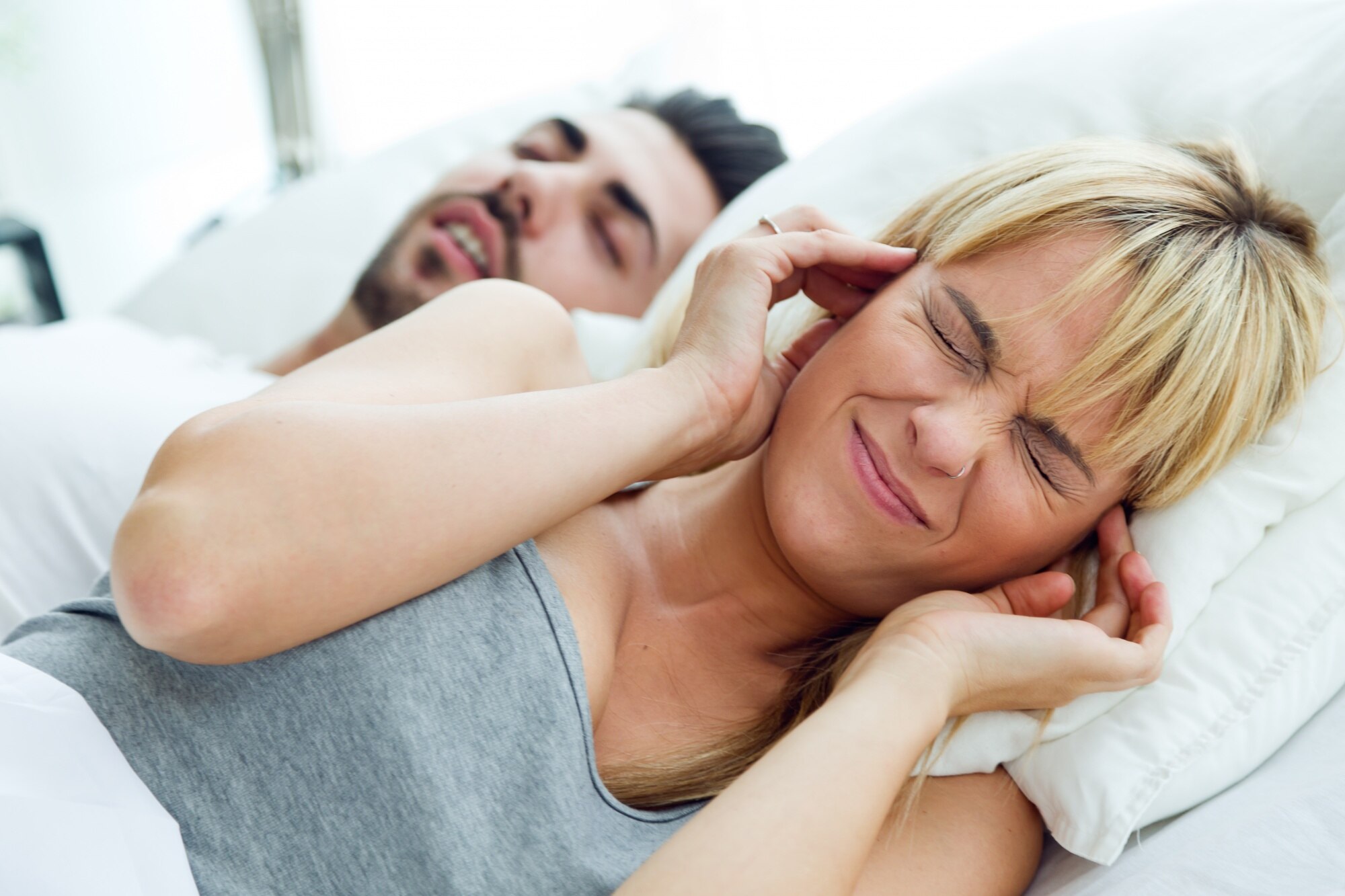
How Does a Dental Sleep Apnea Appliance Work?

We get this question a lot, honestly probably more than any other one. Someone calls our dentist in Beverly Hills, sometimes half asleep themselves, saying they're exhausted every single morning, and their partner is done with the snoring. And look, if that's you, there's a decent chance what you're dealing with is Obstructive Sleep Apnea. Most people have heard of CPAP machines by now. Fewer people know there's another way. A quieter way. If you've been putting off finding real sleep apnea treatment in Beverly Hills because the whole mask-and-hose thing sounds miserable, we get it, and we want to walk you through the other option. 

Why Your Airway Collapses While You Sleep

So what's actually going on while you're asleep? Here is the explanation. The muscles of your throat relax during the night. There is nothing wrong about it since this is a natural process for muscles, however, relaxation makes the tongue and soft palate move into the throat. Air must enter somehow and so it forces its way through a narrow channel and causes tissue vibration, which becomes the source of snoring that disturbs your partner all night long. And when the passage shuts completely, your brain panics a little and yanks you awake just enough to grab a breath. Most people never even remember it happening. But all that constant jolting steals oxygen from your body and never lets you sink into the deep sleep you actually need. Over time, it strains your heart, wears down your energy, and just leaves you tired in a way that coffee can't fix.

This is exactly why looking into sleep apnea treatment near you matters, not someday, but now, before it starts chipping away at things you can't easily get back. 

How Custom Mandibular Advancement Devices Open Your Airway

Now here's where the oral appliance comes in. Think of it kind of like a nightguard, except this one isn't just sitting there protecting your teeth, its real job is nudging your lower jaw forward a bit. There are two trays, one for the top teeth and one for the bottom, and they click into place right before bed.

So what does it actually do once you've got it in?

  • It nudges your jaw forward just enough that your tongue can't fall back into your throat.
  • It tightens up the tissue around your airway so it stops flapping and buzzing when you breathe.
  • It stops your jaw from dropping open in the middle of the night, which is usually when everything collapses anyway.

The Difference Between Oral Appliances and CPAP Machines

Both CPAP therapy and oral devices aim at the same goal, however, follow completely different paths. With a CPAP , you've got pressurized air being pushed through a mask, basically forcing your airway to stay open by brute force. It works, no argument there. But plenty of people can't stand the straps digging into their face, the noise, the dry air blasting all night long. A custom appliance from an experienced dentist in Beverly Hills skips basically all of it. No hoses, no pump, nothing plugged into the wall. It's small enough to toss in a travel bag, which matters more than people expect until they actually try traveling with a CPAP machine once.

What to Expect When Getting Fitted at Zadeh Dentistry

Getting fitted starts with an actual conversation for sleep apnea treatment in Beverly Hills, not just a quick scan and a goodbye. At Zadeh Dentistry, Dr. Parsa T. Zadeh sits down, looks at your airway, takes precise 3D digital scans, and builds something around your mouth specifically, not a generic mold pulled off a shelf. He's known internationally for the Implanova Dental System he developed, but honestly, his background in jaw alignment is what makes him so good at the airway side of things too. And if your bite's even a little off, the appliance isn't going to sit the way it should or do its job properly. Once your device comes back from the lab, you'll head back in so we can look at the fit and make whatever tweaks it needs. Small adjustments here and there until your jaw lands in that sweet spot, forward enough to keep your airway open, relaxed enough that you're not sore when you wake up.

Please, don't assume finding sleep apnea treatment near you has to be some drawn-out ordeal. It really doesn't, not when the right team handles it start to finish.

Who Is a Great Candidate for Oral Appliance Therapy?

Adults with mild to moderate apnea mostly, though some severe cases who just can't tolerate CPAP do great with it too. Frequent travelers love it. And if you've got missing teeth or bite issues layered on top of the sleep piece, Dr. Zadeh looks at the whole picture, not just one symptom in isolation. Whether that means an appliance alone or pairing it with his Implanova implant work, the plan gets built around you. A dentist near you who actually connects those dots is honestly harder to find than you'd think, and most people don't realize how much it matters until they experience it. 

Take the Next Step Toward Restful Sleep Today

You don't have to keep living exhausted, anyhow, not when there's an actual alternative sitting right here. Any honest dentist near you should be steering you toward options, not just one machine. Please reach out to Zadeh Dentistry, and please, let's get you back to sleeping like a person again.

‍

Frequently Asked Questions

How does a dental sleep apnea appliance work?

A dental sleep apnea appliance gently moves the lower jaw forward during sleep, helping keep the tongue and surrounding tissues from blocking the airway. This can reduce airway collapse, snoring, and breathing interruptions.

Who can benefit from an oral appliance for sleep apnea?

Oral appliance therapy is commonly considered for adults with mild to moderate obstructive sleep apnea. It may also be an option for some people who cannot tolerate CPAP therapy comfortably.

Is a dental sleep apnea appliance more comfortable than CPAP?

Many patients find oral appliances convenient because they are compact, quiet, and do not require a mask, hose, or machine. However, suitability and comfort vary, so professional evaluation is important.

Schedule Your Free Consultation

Call us today at 310-273-2020. Dr. Parsa Zadeh and his team are ready to help you regain your smile and confidence. Whether you need a single implant, full-mouth restoration, or a same-day solution, we’ve got you covered at Zadeh Dentistry.

Our Clinic is Handicapped Accessible and Visually Impaired Accessible